
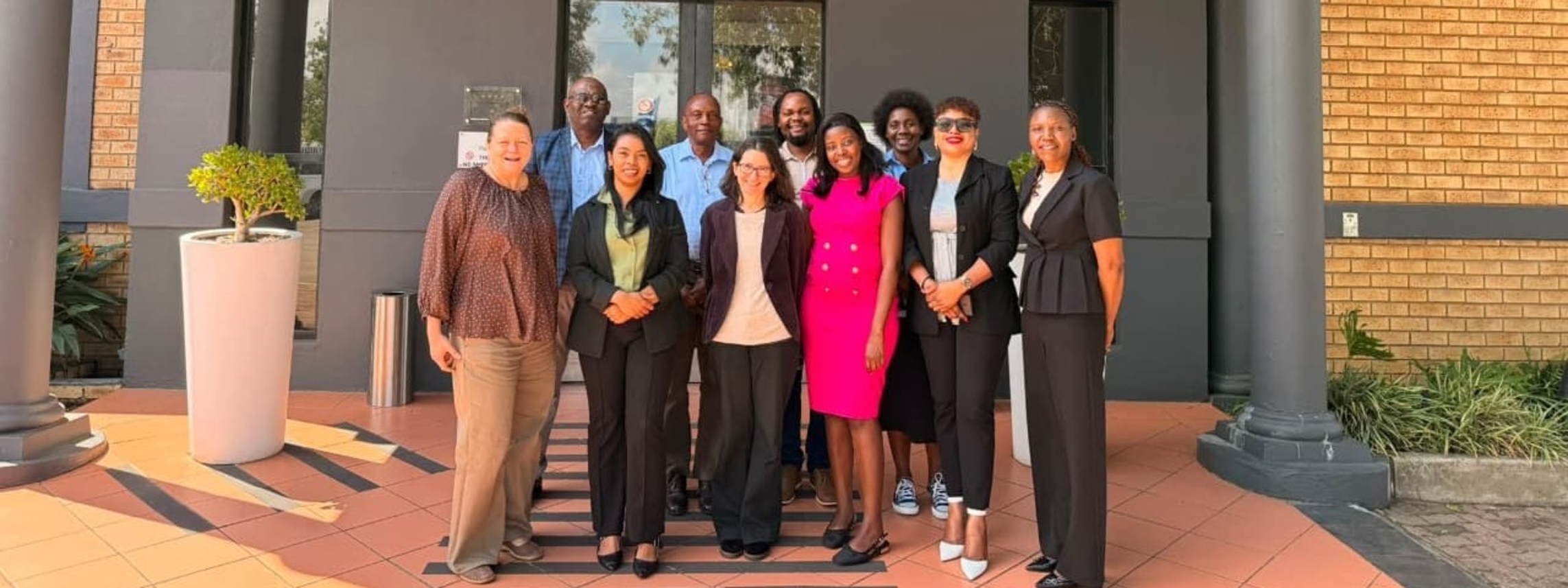
RAENS Partners Co-Design Regional ICKM Framework to Strengthen Agroecology Knowledge Sharing.
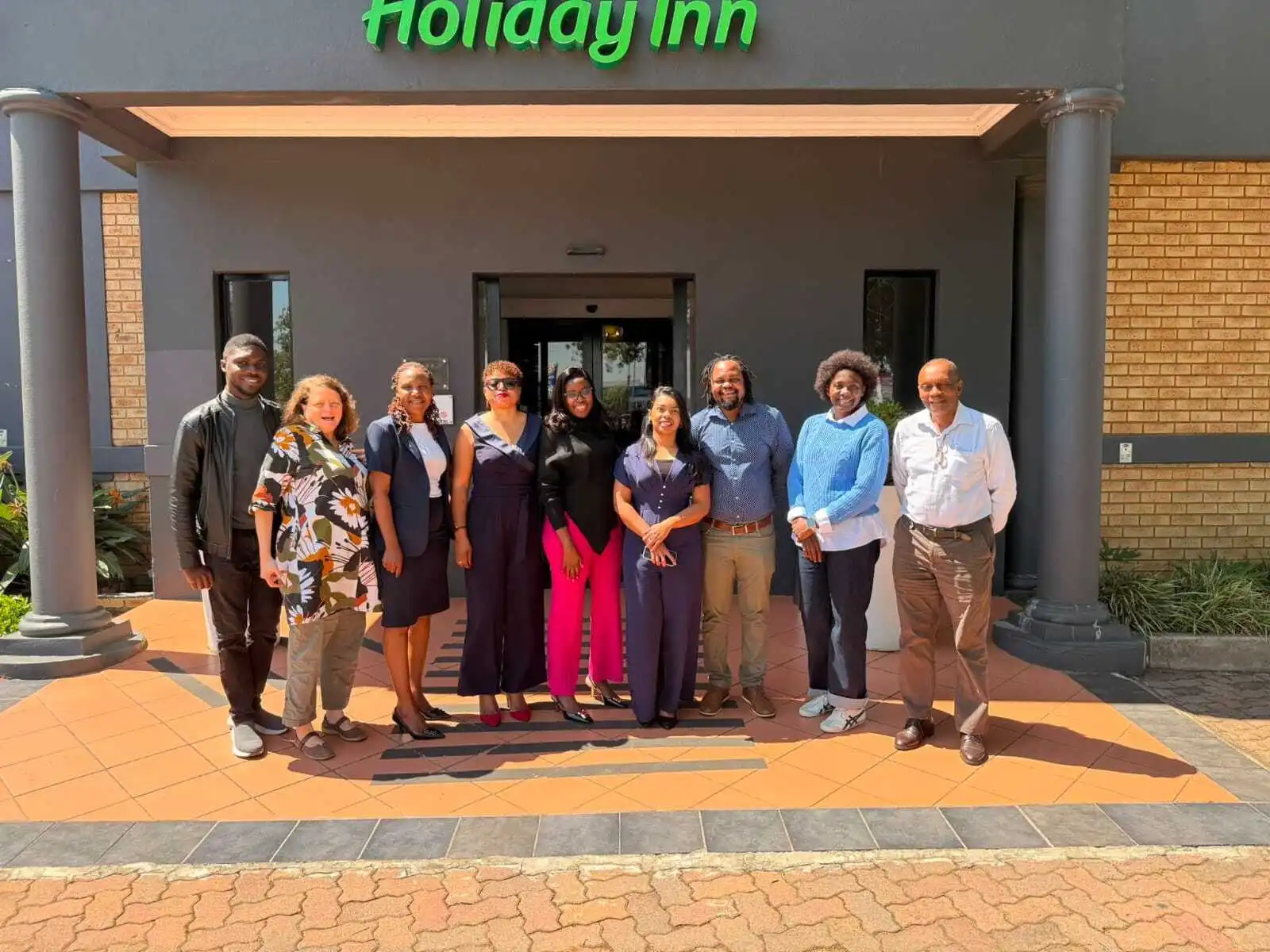
How can agroecology knowledge generated across Southern Africa be better connected, shared and put into practice?This is at the heart of a three-day Regional Information, Communication and Knowledge Management (ICKM) Framework Development Workshop bringing together partners of the Research for Agroecology Network Southern Africa (RAENS) in Johannesburg.
Coordinated by the Centre for Coordination of Agricultural Research and Development for Southern Africa (CCARDESA), the workshop is bringing partners together to co-design a regional ICKM Framework that will guide how knowledge is generated, captured, organized, communicated, accessed and used across the RAENS network.
RAENS is an integrated project under the Agroecology Transformative Partnership Platform (AE-TPP), working to establish a robust, innovative and sustainable multi-actor, transdisciplinary agroecology research and knowledge network in Southern Africa. The project brings together research institutions, universities and other actors to strengthen coordination of agroecology research, develop the next generation of agroecology scholars and practitioners, increase the availability and awareness of agroecological knowledge, and generate evidence to inform policy.As an integrated project within the AE-TPP, RAENS contributes to the broader platform’s goal of addressing knowledge and implementation gaps and accelerating agroecological transitions.
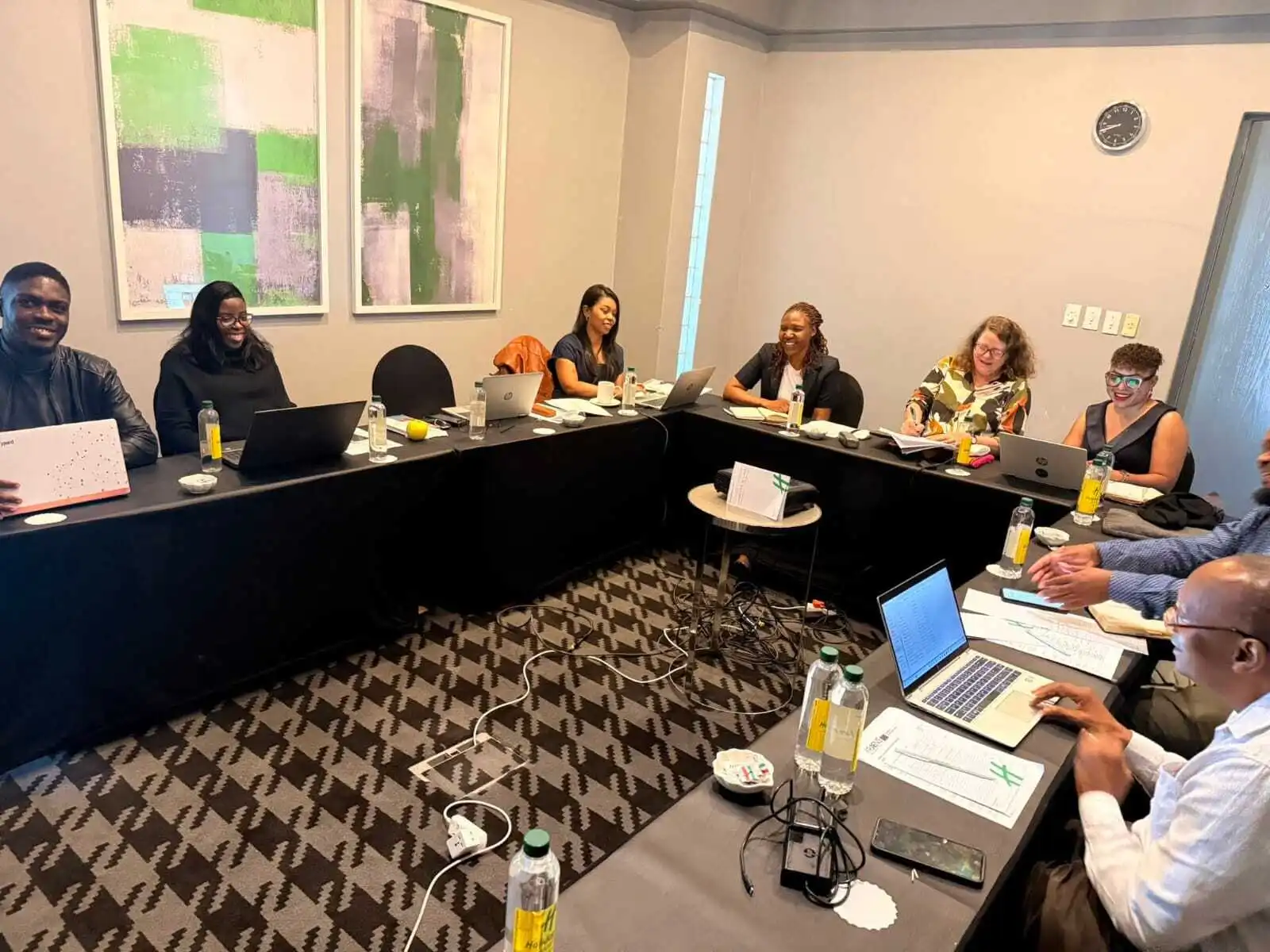
For RAENS, effective knowledge management is particularly important because agroecology draws on diverse forms of knowledge—from scientific research and academic institutions to farmer experience, local innovations and practical knowledge developed within communities.
As RAENS grows as a regional network, knowledge is being generated across different institutions, countries and areas of expertise. The ICKM Framework is intended to provide a more coordinated approach to managing this knowledge and strengthening the connections between those who generate knowledge and those who need to access and use it.
The framework development process is looking at the knowledge cycle as a whole: identifying knowledge needs, generating and capturing knowledge, validating and packaging it, communicating and sharing it, and understanding how it is accessed, applied and contributes to learning.
RAENS is not developing its approach in isolation. Experiences from existing regional and continental knowledge networks provide useful reference points for understanding what it takes to move from simply producing knowledge to creating systems that help communities find, adapt and use it.
One relevant example is the Knowledge Centre for Organic Agriculture and Agroecology in Africa (KCOA).
KCOA's documented Integrated Knowledge Management Systems Strategy includes the collection and validation of both indigenous and scientific knowledge, preparation of knowledge products, and dissemination through knowledge databases and websites, publications, videos, ICT applications and social media. Its approach also includes capacity building to help multipliers and other stakeholders access and share knowledge with different target groups, including farmers.
The experience offers an important lesson for RAENS: a regional knowledge system needs more than a repository of information. It needs processes, people, platforms and partnerships that help knowledge move between those who generate it and those who can apply it.
For RAENS, the development of an ICKM Framework presents an opportunity to build on these experiences while developing an approach suited to Southern Africa and the network's own objectives.
The ambition is to strengthen the pathway between research, knowledge, practice and policy—ensuring that valuable knowledge generated within RAENS does not remain within individual institutions or projects, but can be discovered, shared, adapted and used by different actors across the region.
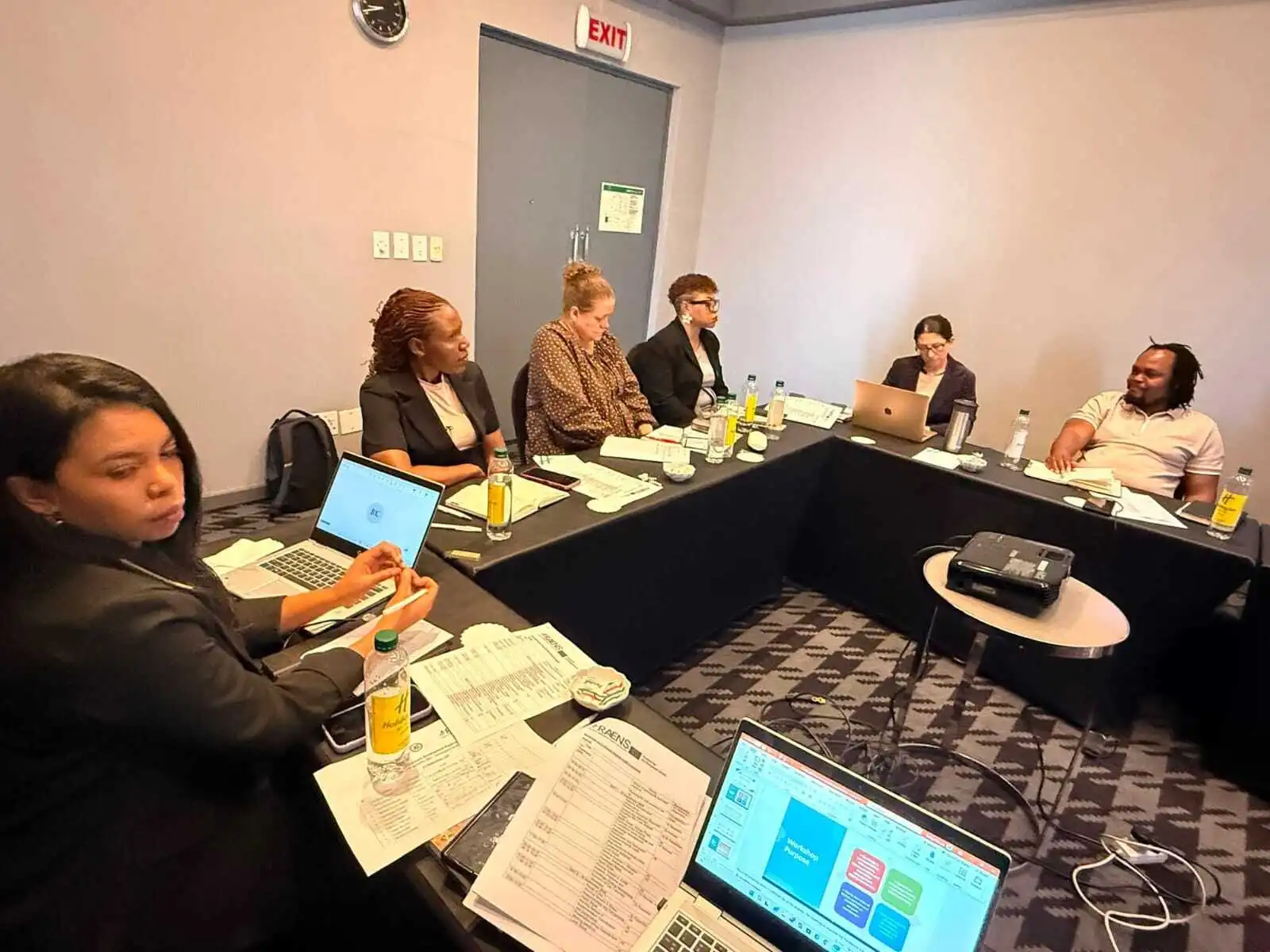
This includes recognizing the importance of knowledge generated outside formal research institutions. Farmers, communities, extension practitioners and other local actors hold practical knowledge and experiences that can contribute to learning and innovation in agroecological transitions.
As partners continue their discussions in Johannesburg, the focus is therefore not only on how RAENS will manage knowledge, but also on how the network can create stronger connections between knowledge producers and knowledge users.
The outcome will be a regional ICKM Strategy designed to support RAENS' wider mission of strengthening agroecological research, learning, knowledge exchange and policy engagement across Southern Africa.